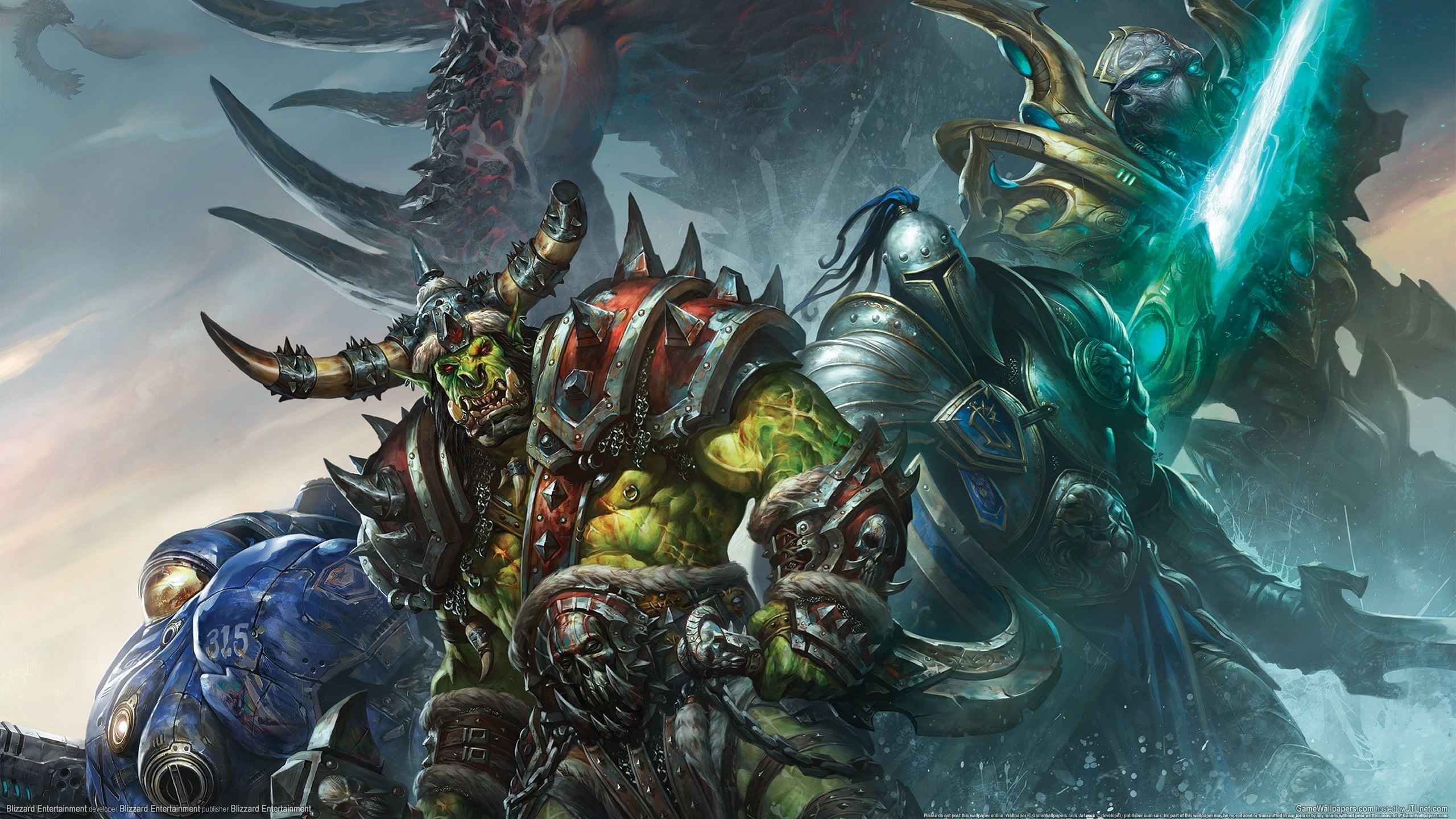
Me be a seasoned orthopedic spinal deformity choppa, practicin’ me craft in da rugged lands of Durotar since ’85. Me blade be often wielded to mend dem warriors who be sufferin’ from multiple failed surgeries on their brawny backs. It be a shame dat da first operation, which set off da chain of disastrous procedures, should ne’er have been attempted. Watch dis: “Get it Right da First Time.”
In ’93, me axes stopped swingin’ fer fusions to soothe low back pain. Too many failures plagued me own patients, and da tales of misfortune be told in da scrolls, showin’ less dan a 30% success rate. From ’99 to ’03, me found me home in da mighty land o’ Sun Valley, Idaho. Dere, me worked as a lone wolf in a modest clinic instead of dwellin’ in a grand spine referral fortress. ‘Twas during dat time, amidst performin’ intricate spine surgeries, dat me also cared fer countless warriors gripped by acute LBP.
It be in dem days dat me embraced a “surgical mindset” and ventured into da realm o’ non-operative spine healin’. From dat endeavor sprouted da current DOC protocol. Me spirit burned bright, driven to provide an alternative to surgeries bearin’ more risk than reward. Da DOC project emerged as a robust framework, tearin’ pain apart into its many facets. Hear dis: 1) Uncoverin’ da mysteries of chronic pain, 2) Addressin’ every single aspect of torment at once, and 3) Placin’ da patient in complete control of their own care. Reclaim Yer Life – Doktor Thrall’s article.
Da roots o’ pain, they be varied, me friend:
Structural—be it an identifiable wound matchin’ da symptoms. Non-structural, dey be da soft tissues—muscles, tendons, discs, and ligaments holdin’ da spine, packed with pain-ridden fibers dat stay inflamed fer ages. Da central nervous system, a tricky beast, sometimes goes haywire, inflictin’ pain without a traceable cause—known as Neurophysiologic Disorder (NPD). It be yer noggin dat senses pain, affected by many things:
Sleep patterns. Da weight o’ stress upon yer shoulders. Da potions ye consume. Yer very perspective on life—chronic pain can shatter yer outlook. Knowledge—lackin’ it and a proper plan, ye be trapped in misery. Da strength o’ yer physique be part o’ da equation too, me friend.
Check out my blog for more content!